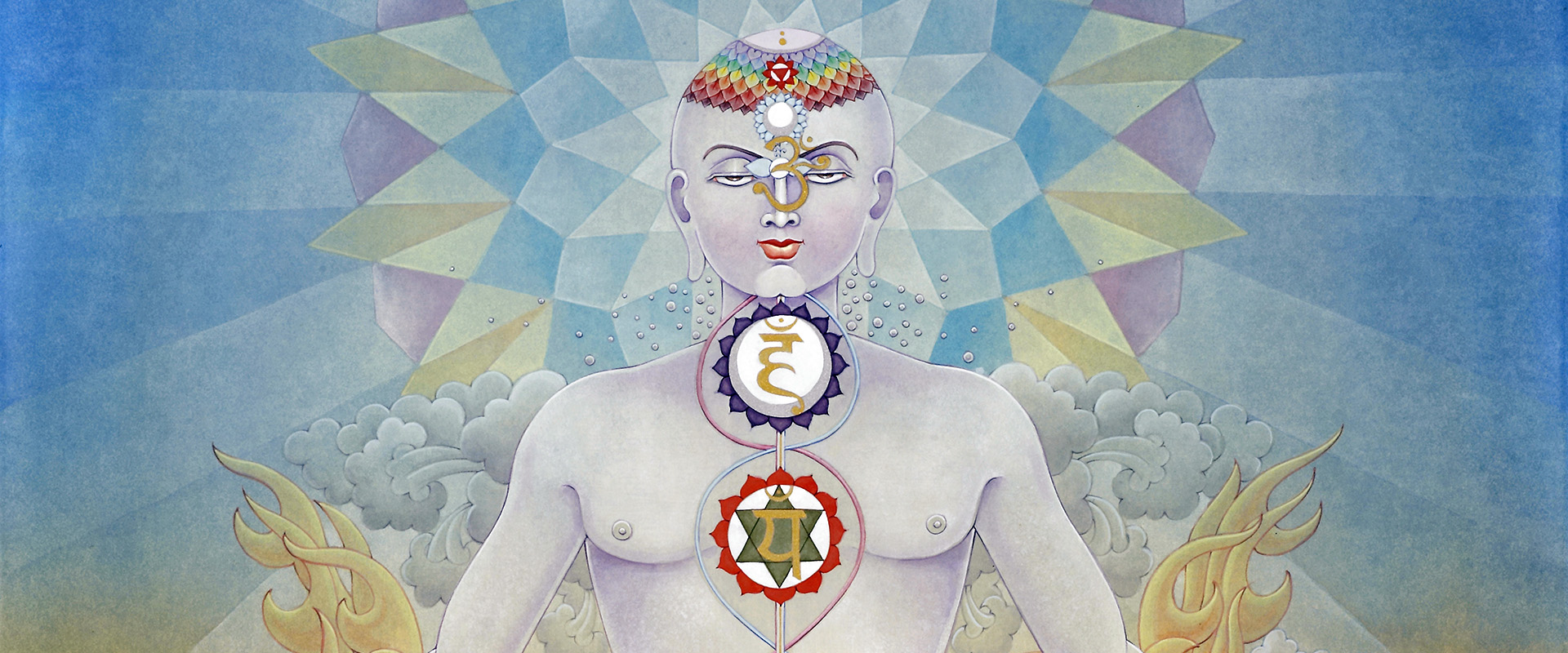
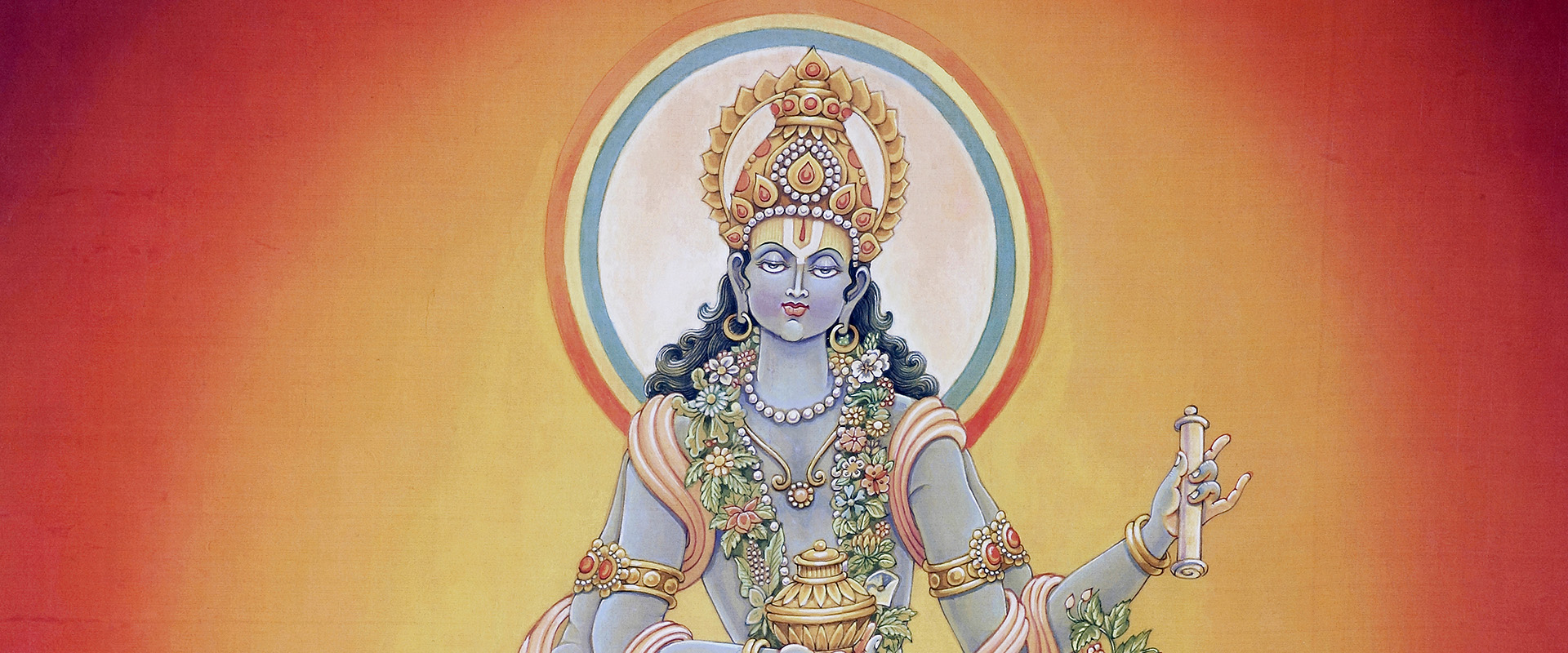
To spread the original, universal and eternal truth, path or law of yoga, which remains forever the same in essence, yet always adapts to the time and place.
|
To spread the original, universal and eternal truth, path or law of yoga, which remains forever the same in essence, yet always adapts to the time and place. |
|
I can refine the focus, add specific market statistics, or adjust the tone based on your preferences. Share public link
The entertainment landscape in April 2026 is defined by a shift toward as a response to the flood of AI-generated content. While blockbuster releases like the Michael Jackson biopic Michael and Ryan Coogler’s record-breaking Sinners
Subscription Video on Demand (SVOD) and audio streaming platforms have replaced traditional cable television and physical music formats. Consumers no longer wait for a specific broadcast time; they expect entire libraries of content to be available at their fingertips. This shift has normalized "binge-watching" and altered how narrative arcs are structured by writers and producers. The Death of Distance missax170108blairwilliamswatchingpornwi best
Platforms built on short-form video have fundamentally altered human attention spans and content creation strategies. Content must now capture attention within the first three seconds. This format has democratized fame, allowing independent creators to achieve massive cultural reach without the backing of traditional Hollywood studios. Monetization Models: Beyond the Subscription
Governments worldwide are increasingly scrutinizing media algorithms, data privacy collection policies, and the impact of social content consumption on public mental health. 6. The Road Ahead: Future Trends I can refine the focus, add specific market
Some of the most popular types of entertainment and media content include:
The landscape of entertainment and media content has moved through three distinct operational phases. The Broadcast Era Consumers no longer wait for a specific broadcast
The story of media is one of constant transformation. For years, the industry relied on mass media formats to create shared community experiences. Today, that community has fragmented into highly personal, niche experiences where the line between creator and consumer is blurred. Platforms like the Red Nation Television Network
Spotify invested $1B+ in podcasts (Joe Rogan, etc.) to lock in exclusive audio content. Challenge: Podcasts moved from open RSS to walled gardens, fragmenting the medium.