

Table of contents:

Frequent price hikes across major platforms like Disney+ , Hulu , and Amazon Prime Video have made the "legal route" increasingly expensive.

Operating a high-traffic streaming site requires immense server bandwidth, which is expensive. To monetize their traffic, many operators partner with shady advertising networks. Users are frequently bombarded with deceptive pop-under ads, fake "update required" prompts, and invisible click-jackers designed to install malware, ransomware, or crypto-mining scripts onto the user's device. Data Privacy Vulnerabilities

For the operators of these services, the legal risks have never been higher. The Jetflicks case serves as a landmark example. Its lead operator received a seven-year federal prison sentence, a clear signal that the Department of Justice is willing to treat large-scale digital piracy with the same severity as physical piracy. The message is that even platforms that resemble legitimate businesses can face criminal liability if they knowingly distribute pirated content.

These sites are often part of a larger "brand" network. For example, the notorious pirate site Sflix has been known to operate under multiple domain names, occasionally going dark when one domain is shut down, only to reappear under a new alias. This game of whack-a-mole makes enforcement a significant challenge for copyright holders.

Users are generally advised away from standard configurations of mainstream browsers, opting instead for hardened configurations or browsers that natively block tracking scripts. The Legal Battle and Countermeasures

The entertainment industry is fighting back against rpiracy streaming. Some of the measures being taken to combat piracy include:

For live sports and premium cable networks, piracy has shifted toward Internet Protocol Television. Paid and free IPTV setups bypass traditional broadcast networks to stream live television feeds globally with minimal latency.

The technological arms race will intensify. Piracy groups are expected to leverage artificial intelligence to create more convincing fake streaming sites and automate the process of uploading stolen content. On the other side, the film industry is exploring the use of blockchain technology for more secure and transparent rights management. Ultimately, the battle will be fought on the terrain of user experience: the key to winning against piracy is to offer a legal streaming experience that is so good, so convenient, and so fairly priced that it makes the risks of the pirate stream not worth taking.

Rise of ad-supported tiers (Tubi, Pluto TV), affordable subscription bundling, and faster availability of content has reduced some piracy, but fragmentation (too many separate services) keeps piracy alive.

Understanding why piracy is thriving again is key to addressing it. While the legal streaming market is projected to generate $212.83 billion globally in 2026, several critical factors are pushing consumers back towards unauthorized alternatives.

For the modern viewer, r/piracy streaming isn't just about "free stuff"—it's about reclaiming a user-friendly experience in an increasingly complicated digital landscape.

Legitimate streaming platforms have steadily increased monthly fees while simultaneously downgrading features. Standard packages that once included 4K resolution and multiple concurrent streams now cost premium rates, while cheaper tiers force users to watch unskippable advertisements. Piracy streaming sites, when paired with modern ad-blocking software, offer a completely ad-free, high-definition experience at zero cost. The Technological Infrastructure of Streaming Piracy
Related Articles

Introducing the Hyperliquid trading bot with CEX-grade trading tools!

Rpiracy Streaming -

Frequent price hikes across major platforms like Disney+ , Hulu , and Amazon Prime Video have made the "legal route" increasingly expensive.

Operating a high-traffic streaming site requires immense server bandwidth, which is expensive. To monetize their traffic, many operators partner with shady advertising networks. Users are frequently bombarded with deceptive pop-under ads, fake "update required" prompts, and invisible click-jackers designed to install malware, ransomware, or crypto-mining scripts onto the user's device. Data Privacy Vulnerabilities

For the operators of these services, the legal risks have never been higher. The Jetflicks case serves as a landmark example. Its lead operator received a seven-year federal prison sentence, a clear signal that the Department of Justice is willing to treat large-scale digital piracy with the same severity as physical piracy. The message is that even platforms that resemble legitimate businesses can face criminal liability if they knowingly distribute pirated content.

These sites are often part of a larger "brand" network. For example, the notorious pirate site Sflix has been known to operate under multiple domain names, occasionally going dark when one domain is shut down, only to reappear under a new alias. This game of whack-a-mole makes enforcement a significant challenge for copyright holders. rpiracy streaming

Users are generally advised away from standard configurations of mainstream browsers, opting instead for hardened configurations or browsers that natively block tracking scripts. The Legal Battle and Countermeasures

The entertainment industry is fighting back against rpiracy streaming. Some of the measures being taken to combat piracy include:

For live sports and premium cable networks, piracy has shifted toward Internet Protocol Television. Paid and free IPTV setups bypass traditional broadcast networks to stream live television feeds globally with minimal latency. Frequent price hikes across major platforms like Disney+

The technological arms race will intensify. Piracy groups are expected to leverage artificial intelligence to create more convincing fake streaming sites and automate the process of uploading stolen content. On the other side, the film industry is exploring the use of blockchain technology for more secure and transparent rights management. Ultimately, the battle will be fought on the terrain of user experience: the key to winning against piracy is to offer a legal streaming experience that is so good, so convenient, and so fairly priced that it makes the risks of the pirate stream not worth taking.

Rise of ad-supported tiers (Tubi, Pluto TV), affordable subscription bundling, and faster availability of content has reduced some piracy, but fragmentation (too many separate services) keeps piracy alive.

Understanding why piracy is thriving again is key to addressing it. While the legal streaming market is projected to generate $212.83 billion globally in 2026, several critical factors are pushing consumers back towards unauthorized alternatives. Users are frequently bombarded with deceptive pop-under ads,

For the modern viewer, r/piracy streaming isn't just about "free stuff"—it's about reclaiming a user-friendly experience in an increasingly complicated digital landscape.

Legitimate streaming platforms have steadily increased monthly fees while simultaneously downgrading features. Standard packages that once included 4K resolution and multiple concurrent streams now cost premium rates, while cheaper tiers force users to watch unskippable advertisements. Piracy streaming sites, when paired with modern ad-blocking software, offer a completely ad-free, high-definition experience at zero cost. The Technological Infrastructure of Streaming Piracy

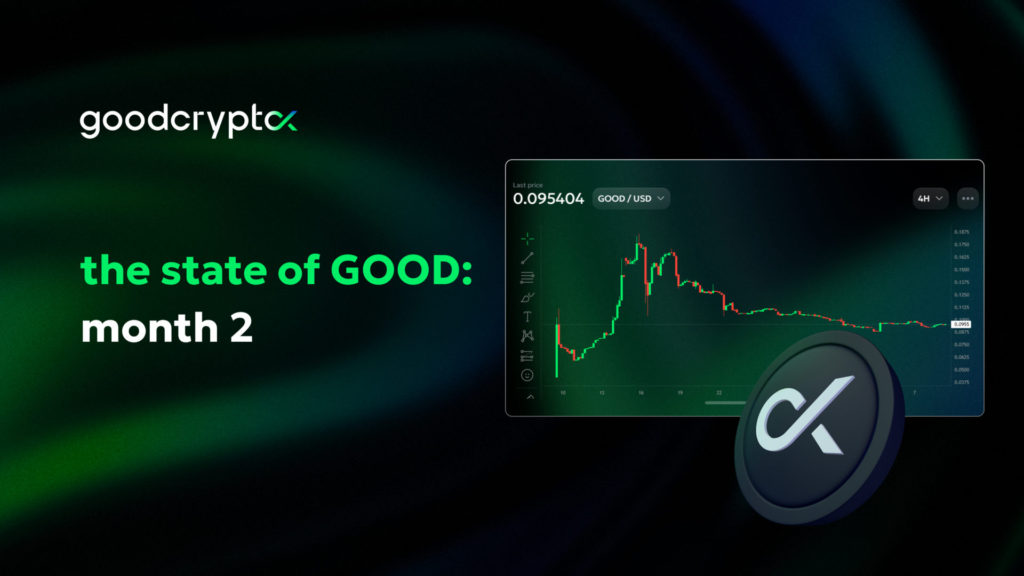
the state of GOOD — month 2

Month 1 was all about going live. Month 2 focused on what’s next - expanding the ecosystem. Now, it’s time to review our interim results.

November 11, 2025

get the app. start trading smarter

All your trades, bots, and portfolio in one place — across CEXs and DEXs

<span>get the app.</span> start trading smarter