(See instructions for Mobile Devices)
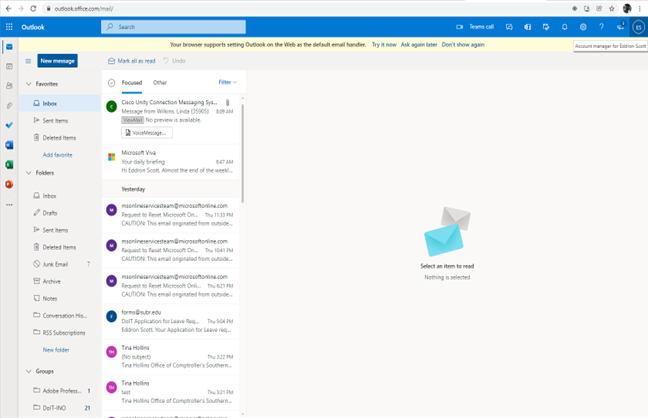
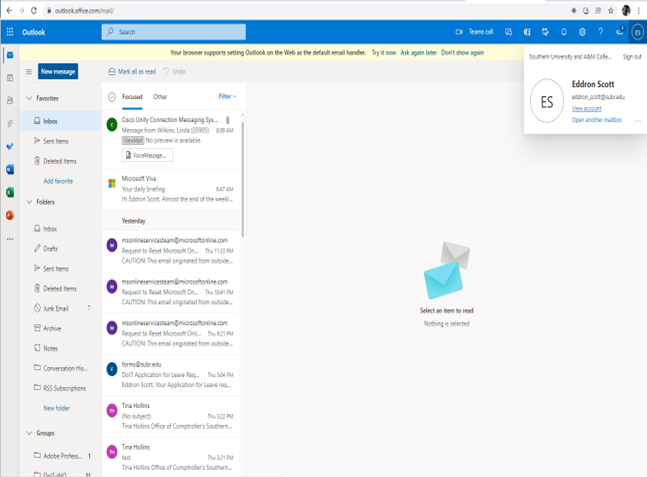
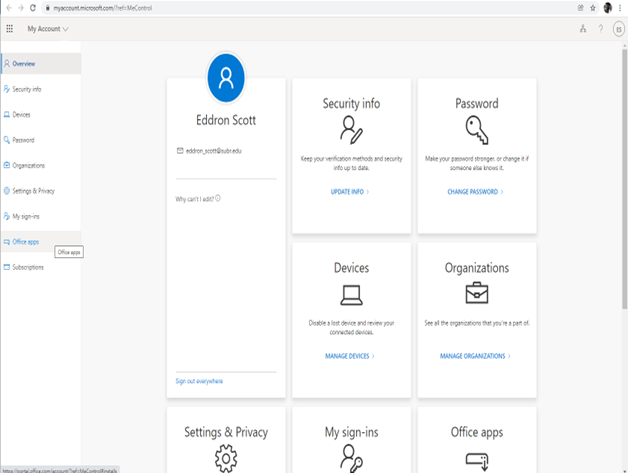
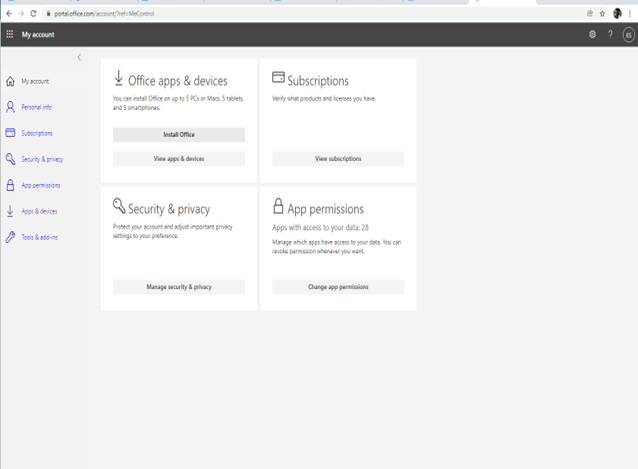
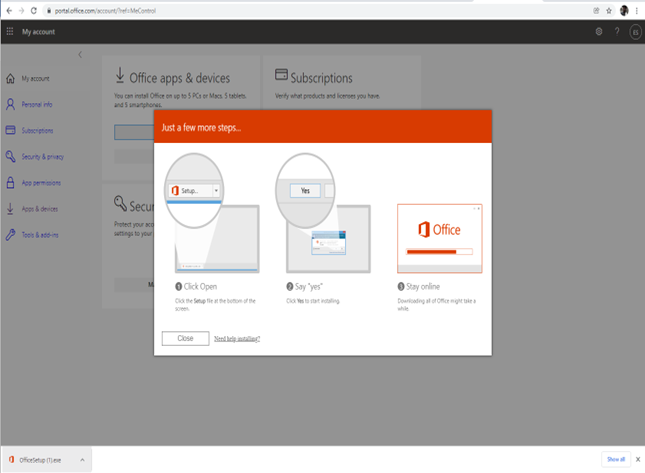
(See instructions for Desktop/Laptop Devices)
The following information should be helpful with setting up your favorite device to access MS Office 365 e-mail:
(Note: During the setup of your device make sure you enter your entire e-mail address (john_doe_00@subr.edu) for the user name or login. For best results when setting up your mobile device, remove any previous SUBR mail profiles prior to following the setup instructions.)
Setting up VS Code, Node.js, and Ngrok (for local tunneling). BotFather 101:
Understand how to interact with the Telegram client (e.g., handling user data, pop-ups, and theme customization).
The Telegram ecosystem is experiencing an unprecedented boom. With the introduction of Telegram Mini Apps (TMAs), the messaging platform has transformed into a Web3-friendly super-app marketplace. Developers worldwide are rushing to learn how to build inside this ecosystem, and the has emerged as the premier training ground for this high-demand skill. udemy telegram mini app developer master course
Monetization is critical for any successful application. This module covers traditional and decentralized payment systems. Integrating for digital goods and services.
Validate data using the initData cryptographically signed hash. Protect your backend API endpoints from spoofing attacks. Setting up VS Code, Node
Before building a visual app, you must understand how Telegram handles user data. This module covers: Setting up bots via Telegram's BotFather . Managing secure webhook and long-polling connections.
The Telegram Mini App ecosystem is already exceeding 50 million monthly active users, and the platform is still in its early growth phase. Whether you are a front-end developer looking to expand your skills, a freelancer seeking high-demand projects, or an entrepreneur aiming to launch the next viral application, now is the time to start learning. With the introduction of Telegram Mini Apps (TMAs),
Become a Pro: The Ultimate Udemy Telegram Mini App Developer Master Course Guide
Students learn that the Mini App cannot exist in isolation. It acts as the "face," while a Telegram Bot acts as the "spine." The course covers the creation of a Bot Father bot, configuration of the menu button, and setting the Mini App URL. This symbiotic relationship allows the app to send messages on behalf of the user or receive data via the web_app_data button.
Before writing any code, the master course would emphasize proper planning: defining the application’s purpose, mapping user flows, selecting an appropriate technology stack, and designing interfaces that respect Telegram’s theming capabilities (light and dark mode support).
In 2026, the digital landscape has shifted toward "super apps"—platforms that offer everything within a single interface. is arguably the leader in this space, with its Telegram Mini Apps (TMAs) platform allowing developers to create web-based applications that live directly inside the messenger [1].